Safe Summer Events with Your Service Dog
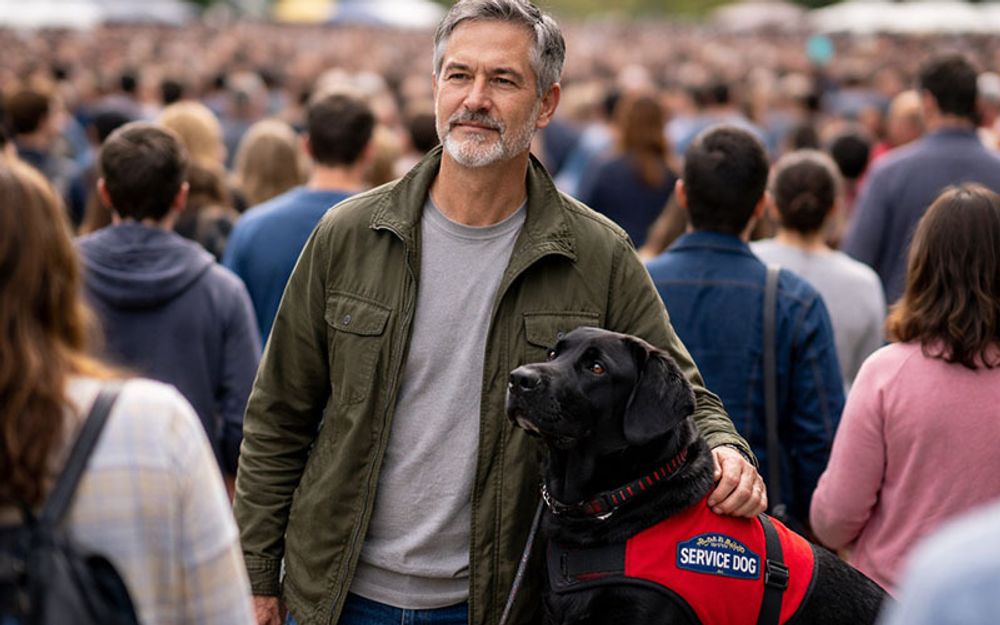
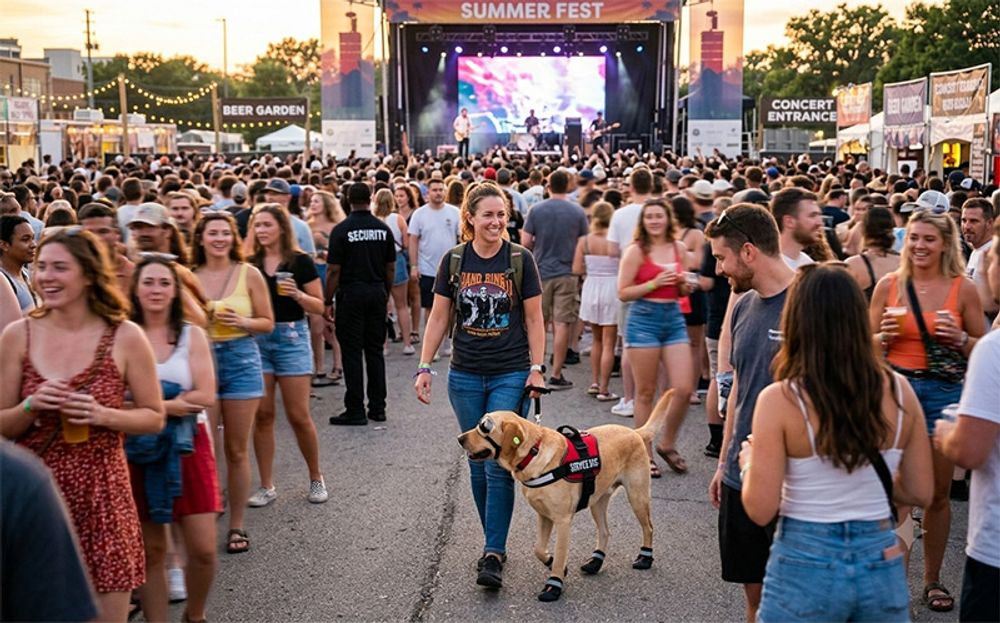
Summer is the time for events. The weather is warm, and kids are out of school, making it the ideal season for concerts, sporting events, and theme parks. You’re ready to attend with your service dog and experience all the fun summer has to offer, but you know that the extreme noise and massive crowds can cause overstimulation, potentially compromising your safety and your dog's.
The preparation process will be considerably more significant than a trip to the grocery store, but you can do it. Packing essentials and the right mindset will ensure a successful outing.
Preparation is Key- Getting Ready for High Stimulation Environments
Your dog will better handle the stimulation of a big event if you prepare them in advance. Here are some pointers.
- Start at Home: Play your dog recordings of crowd noise, stadium sounds, and concert audio at low volume while they engage in an activity they enjoy, such as eating or getting pet. Keep sessions short, 5-10 minutes.
- Increase Exposure Gradually: Over the next few days, continue to increase the volume gradually. If the dog appears stressed, drop it back down and hold it there before progressing.
- Try Real-World Scenarios: Move on to real-life practice by taking your dog to smaller events and busy environments, like parking lots. Each new event should increase in intensity. Reward your dog for each successful outing.
Check for Stress Signals at the Event
While at the event, continue checking your dog for stress signals, including:
- Early/Mild Stress Signals: Lip licking, excessively sniffing the ground, yawning, ears pulled back, shaking off (like they are wet, even if they’re not), constant swiveling, showing the whites of their eyes (whale eyes), tucked or low tail
- Escalating Signals: Panting when not hot, pacing, and restlessness, refusing handler treats, loss of focus on handler cues, whimpering or trembling
If you notice these signals, you may be able to calm your dog down by:
- Finding a quieter pocket or taking a break in a quiet area for 5-10 minutes
- Giving the dog a task, like ‘sit’ or ‘focus’, can break the stress spiral
- Using counter-conditioning- give the dog treats rapidly to let him know everything is okay
- Checking on his physical needs- stress can worsen if the dog is fatigued, thirsty, or tired. Resting and hydrating in a cool area can make all the difference.
Be Prepared to Leave If Necessary
If your dog is exhibiting signs like:
- Attempting to bolt or flee
- Hard panting with visible distress
- Cowering
- Engaging in behavior that disrupts their trained tasks
It may be time to leave. Leaving early can be disappointing, but preparing yourself for this possibility can make it easier to bear.
ADA Rules at Mega-Events
The Americans with Disabilities Act (ADA) protects the rights of handlers. It states that service dogs are permitted to enter concert venues and theme parks without restrictions. Handlers don’t need to show documentation, staff cannot ask the dog to demonstrate its task, and dog-handler teams are not relegated to a separate entrance.
However, theme parks have a safety exception. Most rides are not safe for service animals, meaning dogs cannot ride with their handlers.
Fortunately, most parks offer accommodations, allowing dogs to wait in a shady area while their owners ride. Or, if the handler comes with another person, they can use the Rider Switch program to take turns watching the dog and riding the ride without losing their place in line.
Additionally, most large venues have relief areas for service dogs, but they aren’t always obvious. They may be a small patch of grass near a service entrance or an area tucked behind a first aid section. If you are having trouble finding the relief area, pull up a venue map- it should be listed.
Packing the Right Items
Handlers can also prepare by packing items to keep their dog comfortable during a long day or high-stimulus activity. These include:
- Over-the-ear protection: Items like specially designed acoustic earmuffs can protect a dog’s sensitive hearing at concerts, fireworks displays, and loud sporting events.
- Cooling Vest: High temperatures and crowded environments can make your dog hot. A cooling vest helps, but the type matters. Evaporative cooling vests are designed to be wet- they hold water in the fabric and release it slowly as it evaporates. Handlers should re-wet these throughout the day as they dry out. Phase change vests use insert packs to absorb heat, while reflective vests deflect radiant heat from the sun. Neither of these should be wet down.
- Protective Booties: A dog’s sensitive paw pads can easily blister on hot pavement. Well-fitting booties protect their feet, allowing them to walk comfortably throughout the day.
- Collapsible Bowl and Extra Water: Hydration is a must. Don’t rely on the venue to have dog-friendly water stations. Bring along your own bottle and a collapsible bowl, so your dog can hydrate easily.
- High Value Treats: These will keep your dog focused and let them know you appreciate their efforts.
USA Service Dogs Helps You Prepare For Big Events
Planning a big outing with your dog may seem like a lot of work, but experiencing your favorite band or a sports team win with your life-saving partner makes it all worthwhile. By packing the right protective gear, monitoring your dog's stress levels, and knowing your ADA rights at the gate, you can ensure a safe and successful day.
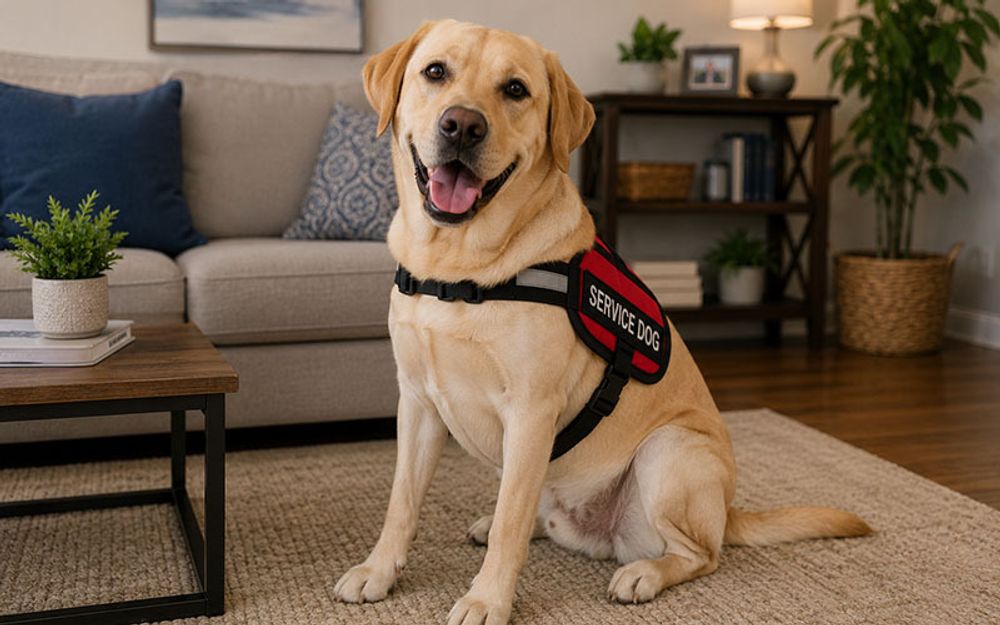
Of course, physical preparation is only half the battle; setting clear visual boundaries is just as crucial in large crowds. A highly visible service dog vest and ID tag immediately signals to the public that your dog is working and shouldn't be distracted or petted. This cuts down on unwanted attention and helps streamline your entry at the venue gates.
If your current gear is looking a little worn, or you just want to add some highly visible patches for extra peace of mind, we've got you covered. Check out our line of comfortable, durable vests to make sure your partner is ready for whatever summer throws your way.